


Creative Teaching in Finland: Unlocking Student Potential

Updated: Apr 27
Finland is renowned worldwide for its innovative and effective education system. At the heart of this success lies a commitment to creative teaching methods that foster curiosity, critical thinking, and lifelong learning. This blog post explores the unique techniques Finnish educators use to engage students and inspire a love of learning. Whether you are an educator, parent, or education enthusiast, these insights offer practical ideas to enhance teaching and learning experiences.
Embracing Creative Teaching in Finland
Creative teaching in Finland is not just about using arts and crafts; it is a holistic approach that integrates creativity into every subject and learning activity. Finnish teachers encourage students to explore ideas, ask questions, and solve problems in ways that make learning meaningful and enjoyable.
Some key features of creative teaching in Finland include:
Student-Centered Learning: Lessons are designed around students’ interests and needs, allowing them to take ownership of their learning.
Collaborative Projects: Group work and peer learning help students develop social skills and learn from different perspectives.
Interdisciplinary Themes: Subjects are often combined to show real-world connections, such as linking science with art or history with literature.
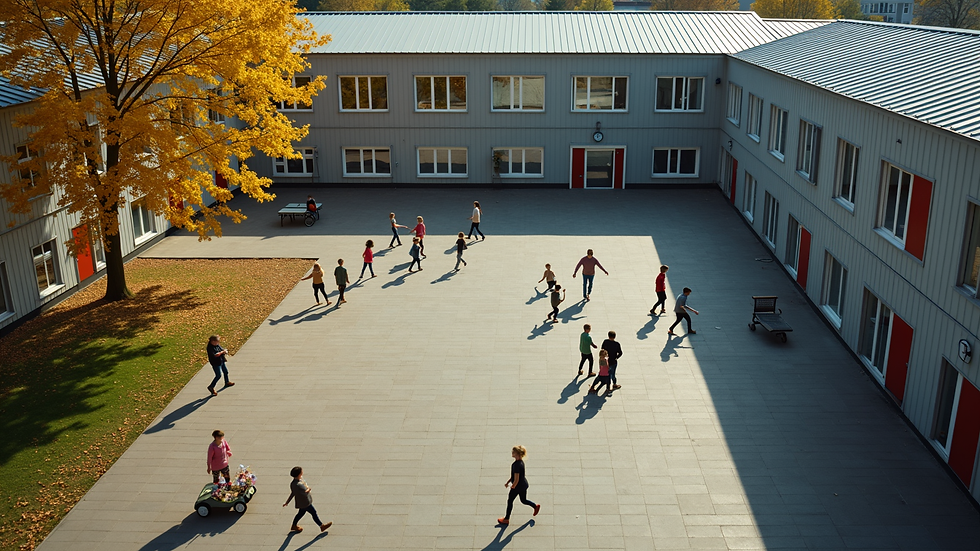
Flexible Learning Environments: Classrooms are arranged to support movement, discussion, and hands-on activities rather than rigid rows of desks.
For example, a science lesson might involve students designing their own experiments to test hypotheses, while a language class could include storytelling and drama to enhance communication skills. This approach nurtures creativity and critical thinking simultaneously.

How Finnish Teachers Foster Creativity
Finnish teachers are highly trained professionals who receive extensive education in pedagogy and subject knowledge. They are trusted to design lessons that meet curriculum goals while adapting to their students’ unique needs. Here are some techniques Finnish teachers use to foster creativity:
Inquiry-Based Learning: Students are encouraged to ask questions and explore answers through research and experimentation.
Use of Technology: Digital tools are integrated thoughtfully to support creativity, such as coding projects or multimedia presentations.
Outdoor Learning: Nature is used as a classroom, with lessons taking place outside to inspire observation and environmental awareness.
Reflection and Feedback: Students regularly reflect on their learning process and receive constructive feedback to improve.
Teachers also emphasize the importance of play and imagination, especially in early education. This helps children develop problem-solving skills and emotional intelligence from a young age.
The Role of the Finnish Education System in Supporting Creativity
The finnish education system provides a strong foundation for creative teaching by prioritizing equity, teacher autonomy, and student well-being. Unlike many other countries, Finland does not rely heavily on standardized testing, which allows teachers to focus on deeper learning rather than test preparation.
Key supports include:
Curriculum Flexibility: National guidelines provide broad goals, but schools and teachers have freedom to choose methods and materials.
Small Class Sizes: This enables personalized attention and tailored instruction.
Emphasis on Well-being: Schools promote a balanced lifestyle with breaks, physical activity, and mental health support.
Professional Development: Teachers continuously update their skills and share best practices in creativity and pedagogy.
This supportive environment encourages experimentation and innovation in teaching, making creativity a natural part of everyday learning.
Practical Tips for Implementing Creative Teaching Techniques
If you want to bring some of Finland’s creative teaching methods into your classroom or learning environment, here are actionable recommendations:
Encourage Student Choice: Let students select topics or projects that interest them to boost motivation.
Incorporate Hands-On Activities: Use experiments, art, or building tasks to make abstract concepts tangible.
Promote Collaboration: Design group tasks that require communication and teamwork.
Use Real-World Problems: Connect lessons to everyday life or current events to increase relevance.
Create a Flexible Space: Arrange seating and resources to support different learning styles and activities.
Integrate Technology Wisely: Use digital tools to enhance creativity, not just for drills or passive consumption.
Allow Time for Reflection: Build in moments for students to think about what they learned and how they learned it.
By adopting these strategies, educators can create a dynamic and engaging learning atmosphere that mirrors the success of Finnish classrooms.
Inspiring Lifelong Learning Through Creativity
Creative teaching in Finland goes beyond academic achievement; it aims to develop learners who are curious, confident, and capable of adapting to change. This mindset prepares students for the challenges of the future and encourages them to become active, responsible citizens.
To foster lifelong learning:
Celebrate Mistakes: Treat errors as opportunities for growth rather than failures.
Encourage Curiosity: Support students in pursuing questions and interests beyond the curriculum.
Build Resilience: Teach problem-solving skills and perseverance through challenging tasks.
Connect Learning to Values: Help students see how knowledge can improve their lives and communities.
By embedding creativity into education, Finland cultivates a culture where learning is a joyful and continuous journey.
Creative teaching techniques from Finland offer valuable lessons for educators worldwide. By focusing on student engagement, flexibility, and real-world connections, teachers can unlock the full potential of their students. Whether through inquiry, collaboration, or outdoor learning, these methods inspire creativity and a lifelong passion for knowledge.



Im like Do3D forums is how much real-world experience you can find there. Instead of only seeing perfect stake app finished models, members also discuss failed prints, testing different settings and figuring out better ways to complete a project. That makes the information much easier to understand and apply. I’ve found useful conversations about slicers, printing materials, sanding, painting and general workflow. If you enjoy creating things and want to keep improving your 3D printing skills, there’s plenty of valuable information to explore