


Discovering the Finnish Schooling Approach

Updated: Apr 27
Finland’s education system is often hailed as one of the best in the world. Many countries look to Finland for inspiration on how to improve their own schooling methods. But what exactly makes the Finnish schooling approach so unique and effective? This article explores the key features of Finland’s education system, offering insights and practical takeaways for educators, parents, and policymakers.
The Finnish Schooling Approach: A Focus on Equality and Well-being
One of the most remarkable aspects of the Finnish schooling approach is its strong emphasis on equality. Every child, regardless of background or location, has access to high-quality education. Schools are designed to support all students, including those with special needs, without segregation.
In Finland, the school day is shorter, and homework is minimal compared to many other countries. This allows children more time to relax, play, and pursue hobbies, which contributes to their overall well-being. Teachers also prioritize creating a stress-free learning environment where students feel safe and motivated.
Practical takeaway:
Encourage schools to adopt policies that reduce stress and promote equality.
Limit homework to meaningful assignments that reinforce learning without overwhelming students.

How Teachers Shape the Finnish Schooling Approach
Teachers in Finland are highly respected professionals. Becoming a teacher requires a master’s degree, and only the top candidates are accepted into teacher education programs. This rigorous selection ensures that educators are well-prepared and passionate about their work.
Finnish teachers enjoy a great deal of autonomy in the classroom. They design their own lesson plans and use teaching methods that best suit their students’ needs. This flexibility encourages creativity and innovation in teaching.
Moreover, teachers collaborate regularly to share best practices and support each other. This professional community helps maintain high standards and continuous improvement.
Practical takeaway:
Invest in teacher education and professional development.
Provide teachers with autonomy and encourage collaboration.
The Role of Play and Creativity in Learning
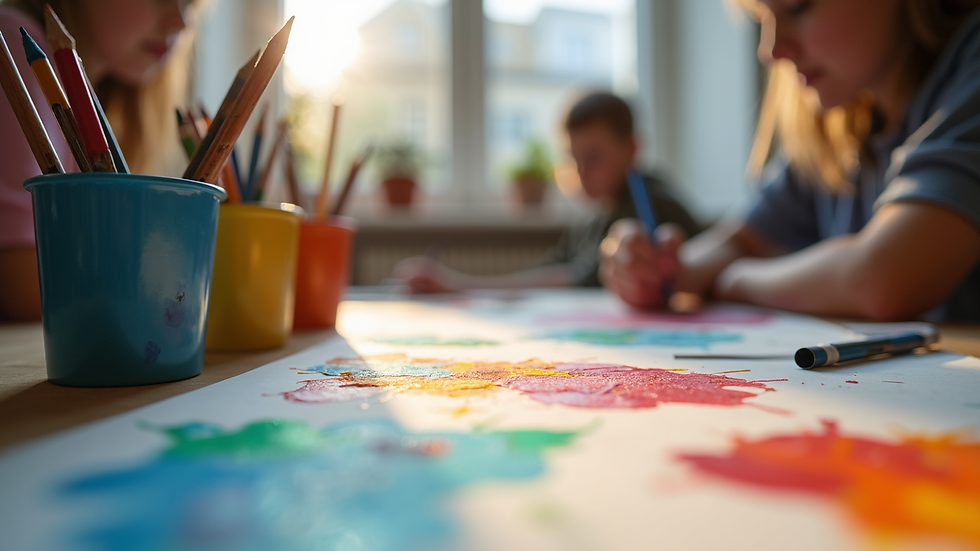
Play is not just for young children in Finland; it is integrated into the entire schooling experience. Finnish schools understand that play and creativity are essential for cognitive and social development.
Students often engage in hands-on activities, arts, music, and outdoor learning. These experiences help develop critical thinking, problem-solving skills, and emotional intelligence. Schools also encourage students to explore their interests and express themselves freely.
This approach contrasts with more rigid education systems that focus heavily on standardized testing and rote memorization.
Practical takeaway:
Incorporate play and creative activities into the curriculum.
Allow students to explore topics that interest them to foster engagement.
The Structure of the Finnish Schooling System
The Finnish schooling system is divided into several stages:
Early Childhood Education: Focuses on play-based learning and social skills for children under 7.
Basic Education (Grades 1-9): Compulsory education with a broad curriculum including languages, math, science, arts, and physical education.
Upper Secondary Education: Offers both general academic and vocational tracks, allowing students to choose based on their interests and career goals.
Higher Education: Universities and polytechnics provide advanced studies and research opportunities.
A key feature is the absence of high-stakes exams during basic education. Instead, assessment is continuous and formative, helping students learn without pressure.
Practical takeaway:
Design education systems that balance academic and vocational options.
Use continuous assessment methods to support learning rather than punish failure.
Why Finland’s Education System Works: Lessons for Others
The success of the Finnish schooling approach lies in its holistic view of education. It values every child’s potential and nurtures it through supportive teaching, equality, and a balanced lifestyle. The system trusts teachers, reduces unnecessary stress, and promotes lifelong learning.
Countries looking to improve their education systems can learn from Finland by:
Prioritizing teacher quality and autonomy.
Ensuring equal access to education for all students.
Emphasizing well-being alongside academic achievement.
Encouraging creativity and play as part of learning.
For more detailed information on the education system Finland, exploring official resources and research studies can provide deeper insights.
Embracing the Finnish Schooling Approach in Your Community
Adopting elements of the Finnish schooling approach requires commitment and adaptation to local contexts. Start by fostering a culture that values teachers and supports their professional growth. Advocate for policies that reduce student stress and promote equality.
Communities can also encourage schools to integrate creative and play-based learning activities. Parents and educators should work together to create environments where children feel safe, motivated, and inspired to learn.
By embracing these principles, it is possible to create a more effective and humane education system that prepares students for the challenges of the future.
This exploration of the Finnish schooling approach reveals a system built on respect, trust, and balance. Its success offers valuable lessons for anyone interested in education reform or improving learning experiences for children worldwide.




Comments